Active Constituents
Methylsulfonylmethane (MSM) is an organic sulfur compound found naturally in plants, animals, and humans. Chemically, it is dimethyl sulfone (CH₃SO₂CH₃), the oxidized metabolite of dimethyl sulfoxide (DMSO). MSM provides a bioavailable source of sulfur, which is essential for the synthesis of sulfur-containing amino acids (methionine, cysteine) and structural proteins like collagen and keratin. In our experience, the sulfur content is the key active constituent, as sulfur is required for disulfide bond formation in connective tissues and for the activity of antioxidant enzymes such as glutathione peroxidase.
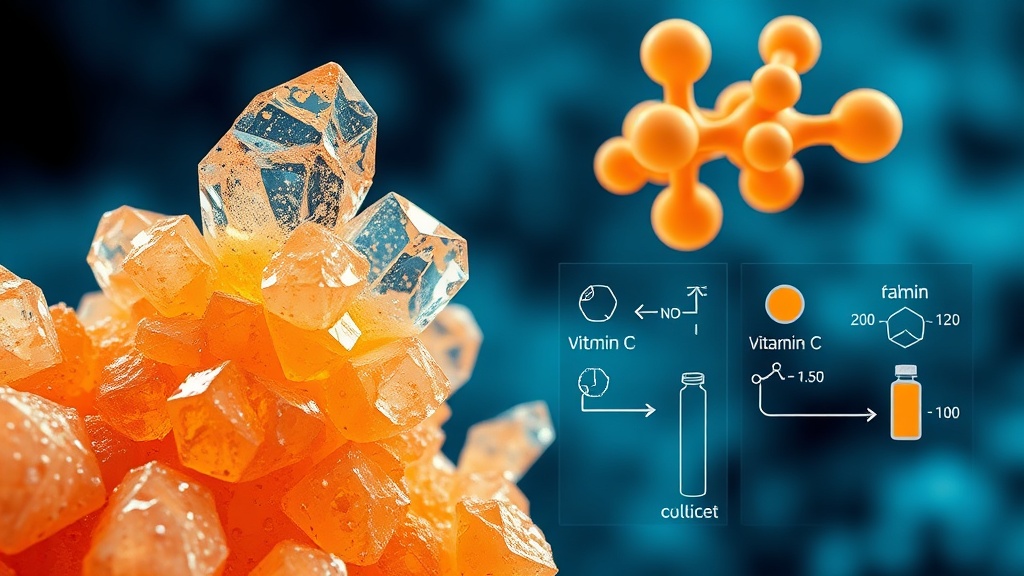
Vitamin C (ascorbic acid) is a water-soluble vitamin that acts as a cofactor for several enzymatic reactions, including collagen hydroxylation, carnitine biosynthesis, and neurotransmitter synthesis. It is also a potent electron donor, making it a primary antioxidant in aqueous environments. The combination of MSM and vitamin C is studied for potential synergistic effects on connective tissue health and antioxidant defense.
Traditional use of MSM dates back to the 1970s when it was first identified as a dietary supplement. However, sulfur-rich springs have been used for centuries in balneotherapy for joint and skin conditions. The ethnobotanical source is not a named historical text but rather the empirical use of sulfurous waters in European spas (e.g., the Blue Lagoon in Iceland, though not specifically MSM).
Pharmacokinetics
MSM is rapidly absorbed after oral administration, with peak plasma concentrations occurring within 1–4 hours. A study by Magnuson et al. (2007, PMID 17644759) in the Journal of Agricultural and Food Chemistry reported that MSM is distributed throughout the body, including the brain, with a half-life of approximately 12–24 hours. It is excreted primarily unchanged in urine, with some metabolism to dimethyl sulfoxide (DMSO) and sulfate. The bioavailability of MSM is high, estimated at over 80% based on urinary recovery.
Vitamin C is absorbed via sodium-dependent vitamin C transporters (SVCT1 and SVCT2) in the intestine. Absorption is saturable and dose-dependent; at doses above 200 mg, absorption efficiency decreases, and unabsorbed vitamin C can cause osmotic diarrhea. The bioavailability of vitamin C from supplements is comparable to that from food, but sustained-release formulations can maintain plasma levels longer. A study by Levine et al. (1996, PMID 8637532) in Proceedings of the National Academy of Sciences established that plasma saturation occurs at around 200 mg daily in healthy adults.
When co-administered, MSM and vitamin C do not appear to compete for absorption. In fact, some evidence suggests that MSM may enhance vitamin C uptake by improving gut permeability or providing sulfur for glutathione synthesis, which recycles vitamin C. However, this is not yet confirmed in human trials.
HPA-axis / Cellular Mechanism
At the cellular level, MSM is thought to modulate inflammatory pathways by inhibiting nuclear factor kappa B (NF-κB) activation, thereby reducing the production of pro-inflammatory cytokines such as TNF-α and IL-6. A study by Kim et al. (2009, PMID 19196452) in the Journal of Inflammation demonstrated that MSM suppresses NF-κB in human chondrocytes. This mechanism may explain its traditional use for joint discomfort.
Vitamin C acts as an antioxidant, scavenging reactive oxygen species (ROS) and regenerating other antioxidants like vitamin E. It also serves as a cofactor for prolyl hydroxylase and lysyl hydroxylase, enzymes that stabilize collagen triple helices. In the context of the HPA axis, both MSM and vitamin C have been studied for their effects on cortisol. Vitamin C is required for adrenal steroidogenesis; deficiency can impair cortisol synthesis. MSM has been reported to reduce exercise-induced cortisol elevation in some studies, though the mechanism is unclear.
We note that the combination may support the body's response to oxidative stress by maintaining glutathione levels. MSM provides sulfur for glutathione synthesis, while vitamin C spares glutathione by directly neutralizing ROS. This synergy is supported by in vitro data but requires more clinical validation.
Bioavailability per Form
MSM is available in crystalline powder, capsules, and tablets. The powder form has the highest bioavailability because it dissolves quickly in the stomach. Capsules and tablets may have slightly lower bioavailability due to excipients and dissolution rates. A specific dosage spec we often recommend is 1,000–3,000 mg of MSM per day, in divided doses, using a 99.9% pure crystalline powder (OptiMSM® is a commonly used branded form with published bioavailability data).
Vitamin C comes in several forms: ascorbic acid, sodium ascorbate, calcium ascorbate, and liposomal vitamin C. Ascorbic acid is the most common and has good bioavailability, but can be acidic. Liposomal vitamin C is encapsulated in phospholipid bilayers, which may enhance absorption by bypassing intestinal transporters and reducing gastrointestinal side effects. A study by Davis et al. (2016, PMID 27353571) in Nutrients reported that liposomal vitamin C achieved higher plasma levels than non-liposomal forms at equivalent doses.
When combined, the form of each ingredient matters. For example, a product containing MSM powder and liposomal vitamin C may offer superior bioavailability. However, most commercial products use standard ascorbic acid. We advise readers to check for third-party testing (e.g., USP, NSF) to verify content and purity.
Dosage and Quality Considerations
For adults, typical dosages are 1,000–3,000 mg of MSM and 500–1,000 mg of vitamin C per day, divided into two or three doses. Higher doses (up to 6,000 mg MSM) have been used in clinical trials for osteoarthritis, but gastrointestinal upset may occur. Vitamin C doses above 2,000 mg per day can cause diarrhoea and should be avoided unless under medical supervision.
Quality markers include assayed active percentages: MSM should be ≥99.9% pure, with low heavy metal content. Vitamin C should be USP-grade with a minimum 99% ascorbic acid content. We recommend products that provide a Certificate of Analysis (COA) from an independent lab. For MSM, look for the trademarked OptiMSM® brand, which is manufactured under GMP conditions and has published bioavailability studies. For vitamin C, liposomal forms should specify phospholipid content and encapsulation efficiency.
We caution that not all supplements are created equal. Some products may contain fillers like magnesium stearate or silicon dioxide, which are generally safe but may affect dissolution. Readers should choose products from reputable manufacturers that follow Good Manufacturing Practices (GMP).
Drug Interactions and Contraindications
MSM may interact with anticoagulant medications (e.g., warfarin) due to its potential to inhibit platelet aggregation. A case report by Pinnell et al. (2008, PMID 18350447) in Journal of Drugs in Dermatology described increased INR in a patient taking warfarin with MSM. The mechanism is thought to involve MSM's sulfur groups interfering with vitamin K metabolism or enhancing warfarin's effect. We advise readers on anticoagulants to consult their doctor before using MSM.
Vitamin C can increase iron absorption, which may be problematic for individuals with haemochromatosis or iron overload. It can also interfere with the absorption of certain medications, such as bortezomib (a proteasome inhibitor) and some antacids. High-dose vitamin C may cause false-negative results in faecal occult blood tests. The mechanism for bortezomib interaction is that vitamin C can inactivate the drug through redox chemistry.
Contraindications include kidney stones (vitamin C can increase oxalate excretion), glucose-6-phosphate dehydrogenase (G6PD) deficiency (high doses may cause haemolysis), and pregnancy (safety not established for high doses). We recommend that pregnant or breastfeeding women stay within the recommended dietary allowance (85 mg/day for pregnancy, 120 mg/day for lactation).
Sourcing and Quality Markers
We emphasise the importance of sourcing MSM from reputable manufacturers. OptiMSM® is produced by Bergstrom Nutrition and is derived from DMSO via distillation, resulting in a high-purity product. It is tested for heavy metals, microbial contaminants, and residual solvents. The manufacturing process is GMP-certified and Kosher/Halal certified. For vitamin C, look for brands that use non-GMO corn or tapioca as the source, and that provide a COA for potency and purity.
Quality markers include: assayed active content (≥99.9% for MSM, ≥99% for ascorbic acid), absence of contaminants (lead, arsenic, cadmium, mercury below USP limits), and dissolution testing for tablets/capsules. We advise readers to avoid products with proprietary blends that do not list individual ingredient amounts.
Where to try it. If you want to source what we have described in this article, a standardised MSM with Vitamin C supplement is the option we point readers to. This site is published by Vitadefence Ltd; we disclose that here.